

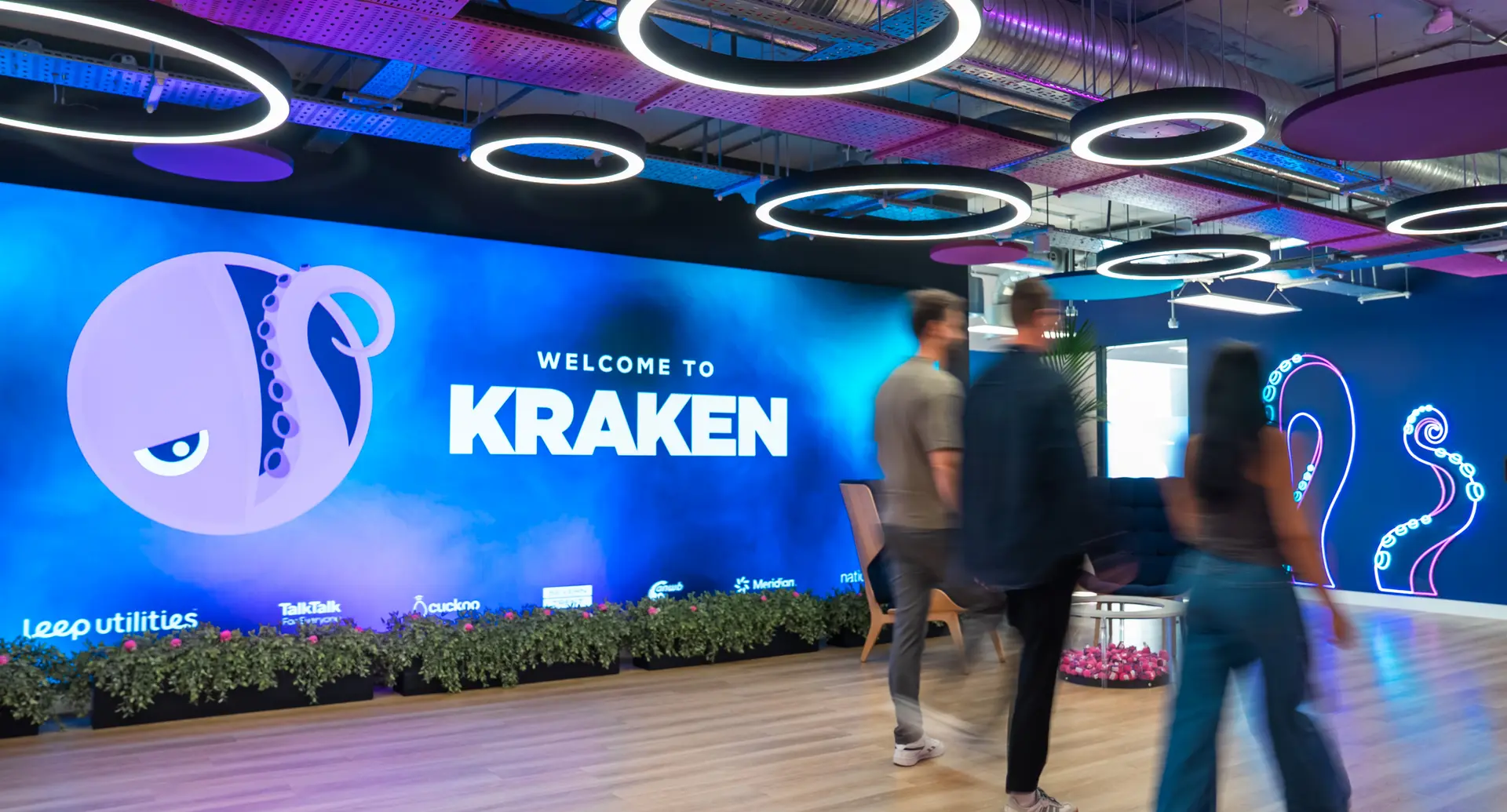
Kraken is an AI powered technology platform built to run modern energy and utility companies at global scale. Originally developed inside Octopus Energy, Kraken has now emerged as an independent business following a major funding round that valued the company at €7.3 billion. Today, Kraken supports tens of millions of customer accounts worldwide and is positioned as one of the most influential AI platforms in the global energy transition.
This article explains what Kraken is, how it works, who leads the company, how it is funded, and why utilities across the world are adopting the platform.
What is Kraken
Kraken is an end to end operating system for energy and utility companies. It uses artificial intelligence, advanced data analytics, and cloud infrastructure to manage customer accounts, billing, pricing, asset optimisation, and grid interaction in real time.
Unlike traditional utility software, which is often fragmented and slow to adapt, Kraken is designed as a single unified platform. This allows utilities to react instantly to market conditions, customer behaviour, and changes in energy supply.
Core capabilities of Kraken
Kraken combines multiple functions into one AI driven system.
- Customer account management across electricity, gas, water, and flexible energy products
- Real time billing and pricing based on wholesale market data
- Smart meter data ingestion and analysis
- Demand forecasting and load balancing
- Integration with electric vehicles, heat pumps, batteries, and distributed generation
- Regulatory reporting and compliance automation
The platform is used by utilities to reduce operational costs, improve customer experience, and support the transition to low carbon energy systems.
How Kraken uses AI
Artificial intelligence sits at the core of Kraken’s architecture. The platform continuously analyses vast volumes of data from smart meters, grid assets, weather systems, and wholesale markets.
AI models within Kraken are used to:
- Predict energy demand at household and grid level
- Optimise pricing to reflect real time market conditions
- Detect faults and inefficiencies across networks
- Automate customer service workflows
- Support flexible energy usage, such as shifting demand away from peak periods
This approach allows utilities to operate more efficiently while giving customers greater visibility and control over their energy usage.
Kraken funding and valuation
In December 2025, Kraken completed its first standalone funding round, raising €850 million. The investment valued the company at €7.3 billion and marked its formal spin out from Octopus Energy.
Key investors in Kraken
The funding round was led by D1 Capital Partners, with participation from:
- Fidelity International
- Durable Capital Partners
- Ontario Teachers’ Pension Plan Board through Teachers’ Venture Growth
- Existing Octopus Energy investors
As part of the transaction, Octopus Energy retained a 13.7 percent stake in Kraken, remaining both a major shareholder and a long term customer.
Kraken reported contracted annual revenues exceeding €424 million in 2025, highlighting the scale and commercial maturity of the business at the time of its independence.
Kraken leadership team
Kraken is led by an experienced leadership team with deep backgrounds in technology, energy, and global scaling.
Amir Orad, Chief Executive Officer
Amir Orad is the CEO of Kraken and is responsible for guiding the company through its next phase of global expansion. Prior to joining Kraken, Orad held senior leadership roles in enterprise software and technology businesses, with a focus on scaling complex platforms internationally.
Commenting on Kraken’s independence, Orad said the spin out gives the company the focus and freedom to scale as a neutral global operating system for utilities, while continuing its close partnership with Octopus Energy.
Greg Jackson, Founder and strategic influence
Greg Jackson, founder of Octopus Energy, played a central role in the creation of Kraken. While not involved in day to day management, Jackson remains a significant shareholder and strategic partner following the spin out.
He has described Kraken as being in a class of its own in terms of technology, capability, and scale, and has positioned the platform as a core driver of innovation across the global energy system.
Global footprint and customers
Kraken is headquartered in London and New York, with regional hubs in Paris, Tokyo, and Melbourne. The platform supports more than 70 million customer accounts globally through licensing agreements.
Utilities using Kraken
Kraken works with a wide range of major energy and utility providers, including:
- EDF Energy
- E.ON Next
- Octopus Energy
- Origin Energy
- Plenitude
- Portsmouth Water
- National Grid
- Tokyo Gas
This diverse customer base reflects Kraken’s ability to operate across different regulatory environments and utility models.
Role in the energy transition
Kraken plays a central role in enabling the shift to cleaner, more flexible energy systems. Traditional utilities were built around one way energy flows and fixed pricing. Kraken enables a move toward dynamic, decentralised, and customer driven energy markets.
Key contributions include:
- Supporting large scale renewable integration
- Enabling flexible tariffs linked to real time prices
- Managing electric vehicle charging at scale
- Optimising heat pump and battery usage
- Reducing strain on energy grids during peak demand
By making these systems easier to operate, Kraken helps utilities decarbonise without sacrificing reliability or affordability.
Relationship with Octopus Energy
Although Kraken is now an independent company, Octopus Energy remains a core customer and innovation partner. The two businesses continue to collaborate closely, particularly around new product development and market testing.
Following the spin out, investors led by Octopus Capital also injected an additional €271.7 million into Octopus Energy itself to support innovation and growth across the wider group.
Future growth plans
Kraken’s stated ambition is to become the default operating system for utilities worldwide. With new capital in place, the company plans to:
- Expand further into North America and Asia Pacific
- Deepen partnerships with large incumbent utilities
- Invest heavily in AI and automation
- Support water, telecoms, and other regulated utilities
- Scale its platform to support hundreds of millions of accounts
The company has publicly stated a long term goal of positively impacting one billion lives within the next decade.
Frequently asked questions about Kraken
What is Kraken used for
Kraken is used by energy and utility companies to manage customers, billing, pricing, smart meters, and grid operations through a single AI powered platform.
Is Kraken part of Octopus Energy
Kraken was created inside Octopus Energy but became an independent company in 2025 following an €850 million funding round. Octopus Energy still owns a minority stake.
How much is Kraken worth
As of December 2025, Kraken was valued at €7.3 billion following its spin out and first standalone investment round.
Who is the CEO of Kraken
Kraken is led by CEO Amir Orad.
Where is Kraken based
Kraken is headquartered in London and New York, with regional offices in Europe, Asia, and Australia.
Why Kraken matters
Kraken represents a new generation of AI powered infrastructure companies. Rather than building consumer facing products, it focuses on transforming the systems that underpin modern life.
As energy systems become more complex and decentralised, platforms like Kraken are becoming essential. Its rapid growth, strong funding, and expanding customer base position it as one of Europe’s most important technology spin outs in recent years.